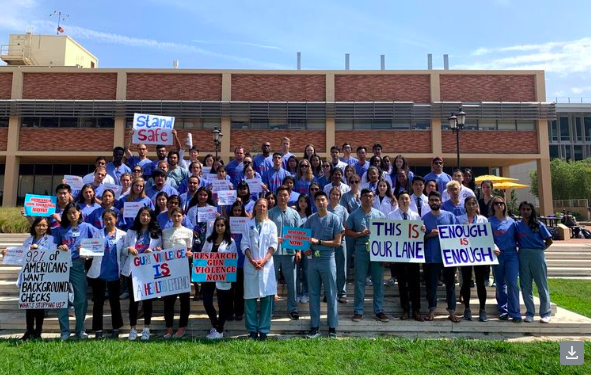
SAFE Board Member, Dr. Susie MacLean, Advocates to Local Newspaper on Firearm Injury Prevention

SAFE Board Member, Dr. Susie MacLean, reached out to her local newspaper to advocate about SAFE’s work and new safe storage legislation in California. We hope you are inspired to follow in her footsteps and reach out to your community newspaper and encourage them to write about the importance of secure storage. Read the article below.

A Message from the SAFE Chapter Leader at the University of Minnesota to her medical school classmates.

Dear All,

As the president of the University of Minnesota SAFE chapter, I want to acknowledge the violence occurring in our state. As an organization dedicated to lessening the morbidity and mortality associated with firearm violence, SAFE condemns the use of firearms against Minnesotans, including by the federal government’s Operation Metro Surge. The current violence in our community disproportionately impacts immigrants, people of color, and Native people, and affects all of us. 

I am writing to remind you to not underestimate the harm of experiencing violence firsthand or of the secondary trauma of witnessing firearm violence in our community. It is not normal to witness firearm violence, whether you are caring for gun violence victims at the hospital or watching loved ones and community members die at the hands of federal agents on the news/social media. You may also notice your own reactions to past traumas coming up again. Your emotional responses to this moment show your humanity, and are a sign of your deep care for others.

If you need support with navigating school at this time or if you feel unsafe or targeted, you are not alone. I can help connect you to University or community resources to meet your needs, or offer a listening ear myself. My heart is with you as you continue to show up and navigate courses, clerkships, STEP exams, etc. Completing medical school is difficult, and under these circumstances it feels almost impossible. I stand with you.  

Our work is more important now than ever.

With love and appreciation,

Kate Weis

UMN SAFE Chapter Leader

UCSF SAFE Chapter to host Medical Student Poster Session at Curriculum Workshop in March

The UCSF SAFE Conference invites medical students to submit posters for the Medical Student Poster Session as part of the Firearm Injury Prevention and Care (FIPC) Curriculum Symposium, taking place March 13–14, 2026.

SAFE (Scrubs Addressing the Firearm Epidemic) is hosting this symposium to advance a national effort to integrate Firearm Injury Prevention and Care curriculum at 100% of U.S. medical schools by 2027. The conference convenes medical educators, students, clinicians, researchers, and advocates to share best practices, define core competencies, and collaboratively design curricula responsive to local and institutional needs.

The student poster session provides a dedicated space for medical students to showcase scholarly work, advocacy efforts, educational initiatives, research, and community-engaged projects related to firearm injury prevention, violence intervention, trauma-informed care, health equity, and policy. Submissions may reflect work conducted at UCSF or other institutions and may include completed projects or works in progress.

Suggested poster topics include, but are not limited to:

  • Firearm injury prevention education or curriculum development

  • Clinical approaches to firearm injury prevention and counseling

  • Community-based violence intervention programs

  • Public health, policy, or epidemiologic research related to firearm injury

  • Health equity, structural violence, and firearm-related disparities

  • Student-led advocacy, education, or systems-change initiatives


By participating, students will engage with a national community of practice committed to innovation, collaboration, and dissemination of firearm injury prevention education across medical training.


We strongly encourage submissions from students with diverse disciplinary backgrounds, lived experiences, and approaches to this critical public health issue.


Proposed Submission Timeline

  • Call for Poster Submissions Opens: Monday, January 12, 2026

  • Abstract Submission Deadline: Friday, February 6, 2026 (11:59 PM PT)

  • Notification of Acceptance: Friday, February 13, 2026

  • Final Poster PDF Due (for program planning): Friday, March 6, 2026

  • Medical Student Poster Session: Friday, March 13, 2026 | 7:45–8:45 PM
    UCSF Parnassus Campus – Clinical Sciences Building (CSB-0101)


APPLICATION: https://docs.google.com/forms/d/e/1FAIpQLSfD81XvV3P7ABmX2B30gjpcQsIv4_tnMqmriiPj6UaJxkvUmg/viewform?usp=dialog

UCSF SAFE Conference

Medical Student Poster Session – Presentation Guidelines


Friday, March 13, 2026 | 7:45–8:45 PM

UCSF Parnassus Campus – Clinical Sciences Building (CSB-0101)


Poster Format

  • Size: Standard 48"x36" landscape (horizontal) orientation

  • Posters should include:

    • Title and author(s)

    • Institution(s)

    • Background / rationale

    • Objectives

    • Methods / approach

    • Key findings or insights

    • Implications for medical education, clinical practice, or community engagement

    • References (optional, keep minimal)

  • Visuals: Charts, diagrams, or tables encouraged for clarity; avoid text-heavy slides


Presentation Expectations

  • Each presenter should be available at their poster for the full session (7:45–8:45 PM)

  • Prepare to briefly summarize your work in 2–3 minutes per attendee

  • Be ready to answer questions from faculty, students, and other conference participants

  • Emphasize relevance to firearm injury prevention, medical education, and/or equity-centered care


Logistics

  • Poster boards: Will be provided on-site (push pins or Velcro available)

  • Setup: Posters should be mounted by 7:30 PM

  • Take-down: Posters must be removed by 9:00 PM

  • PDF Submission: A digital copy of your poster must be submitted by Friday, March 6, 2026 for program planning


Tips for Effective Posters

  • Keep text concise – aim for bullet points over paragraphs

  • Use large fonts (24+ pt for body text, 36–48 pt for titles)

  • Use color and visuals to highlight key findings, but maintain readability

  • Clearly convey your main message within 30–60 seconds

  • Include contact info (email) for follow-up questions


Accessibility & Equity Considerations

  • Ensure text contrasts sufficiently with background

  • Avoid jargon or overly technical language; aim for clarity for mixed audiences

  • Highlight how your project centers equity or community impact when applicable


Printing Guidance

  • File type: PDF (high-resolution, flattened file preferred)

  • Font: Minimum 24 pt for body text; 36–48 pt for headers

  • Colors: Ensure high contrast between text and background

  • Visuals: Make charts, tables, and figures large and legible

  • File naming: [LastName]_SAFEPoster.pdf (for easy identification)

  • Poster boards: Provided on-site

  • Mounting materials: Push pins or Velcro will be available

  • Setup time: Posters must be mounted by 7:30 PM for the 7:45 PM session

  • Take-down: Posters must be removed by 9:00 PM

  • Traveling with a poster: Roll it in a poster tube to prevent creases

  • Backup: Save a digital copy on a USB drive or cloud storage


Contacts

For questions regarding poster content, setup, or logistics: Raven.Foster@ucsf.edu

SAFE Statement Regarding the Violence in Minneapolis

The doctors, nurses and medical students at SAFE mourn the shootings of Alex Pretti and Renée Good in Minneapolis. Our organization’s mission is to reduce firearm injuries and deaths by educating health professionals, our patients, and communities about responsible ownership and firearm injury prevention strategies. This responsibility falls on everyone including firearm-carrying government workers, and the organizations that employ them, whether it be police, military, or federal immigration officers of Immigration and Customs Enforcement (ICE) and Customs and Border Protection (CBP).  

We have to ask why ICE and CBP were allowed to continue their actions amid a large civilian protest. Dealing with such protests is the job of the police and, in rare circumstances, the state’s National Guard. These groups have extensive training in de-escalation of conflict and in crowd control. Their job is to protect the citizens of their city and state while helping federal agencies (including ICE and CBP) complete their missions safely.  

As a matter of safety, firearms should only be carried in settings where they can be properly employed by an individual in a healthy state of mind. Neither civilians nor government agents should carry weapons when they are intoxicated, when they are experiencing a mental health crisis, or during emotionally charged moments that may make them lose control.  

Firearm violence doesn’t just affect the physical victim or close family members. According to a 2024 advisory from then-Surgeon General Vivek Murthy, “exposure to firearm violence can contribute to elevated stress levels and mental health challenges and threaten the sense of well-being for entire communities.” Consequences of firearm violence include healthcare and community workers suffering secondary traumatic stress, adults avoiding certain places or events, children experiencing long-term mental and behavioral problems, and an increase in psychiatric disorders among family members of victims.  

SAFE calls on the Department of Homeland Security to pull back ICE and CBP officers from civilian protests unless they have been trained in and employ de-escalation and crowd control best practices. We also call on ICE and CBP and civilians to refrain from carrying lethal weapons in these crowded, chaotic environments. As we’ve witnessed, carrying firearms increases the risk for the loss of innocent lives. In the US, no one should die while exercising their foundational right of free speech and assembly. 


About SAFE


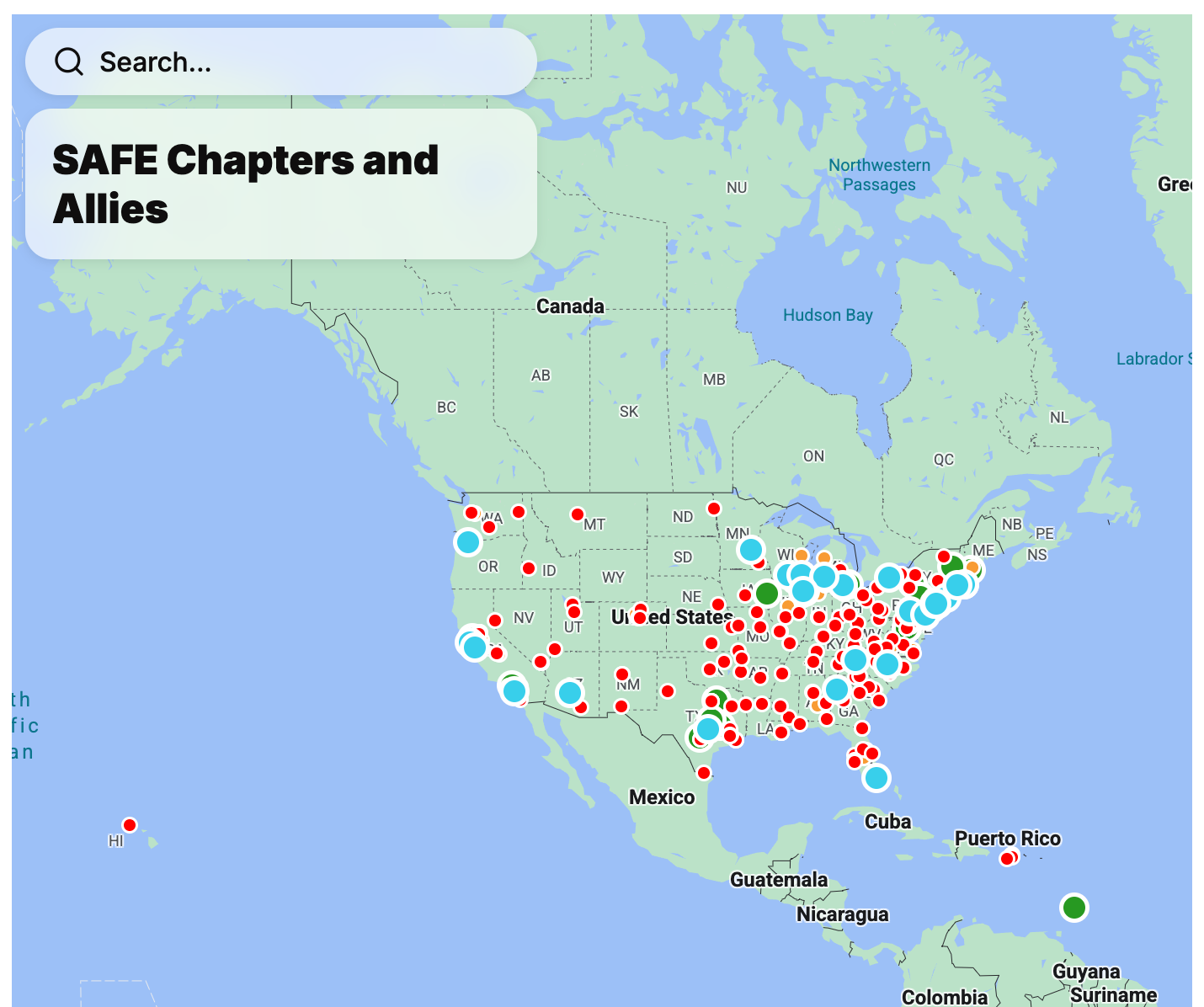
SAFE’s mission is to ensure that all healthcare providers are equipped with skills and evidence-based knowledge to advise their patients, communities, and legislators on firearm use and ownership to prevent injuries and deaths. Learn more about SAFE at https://www.standsafe.org/

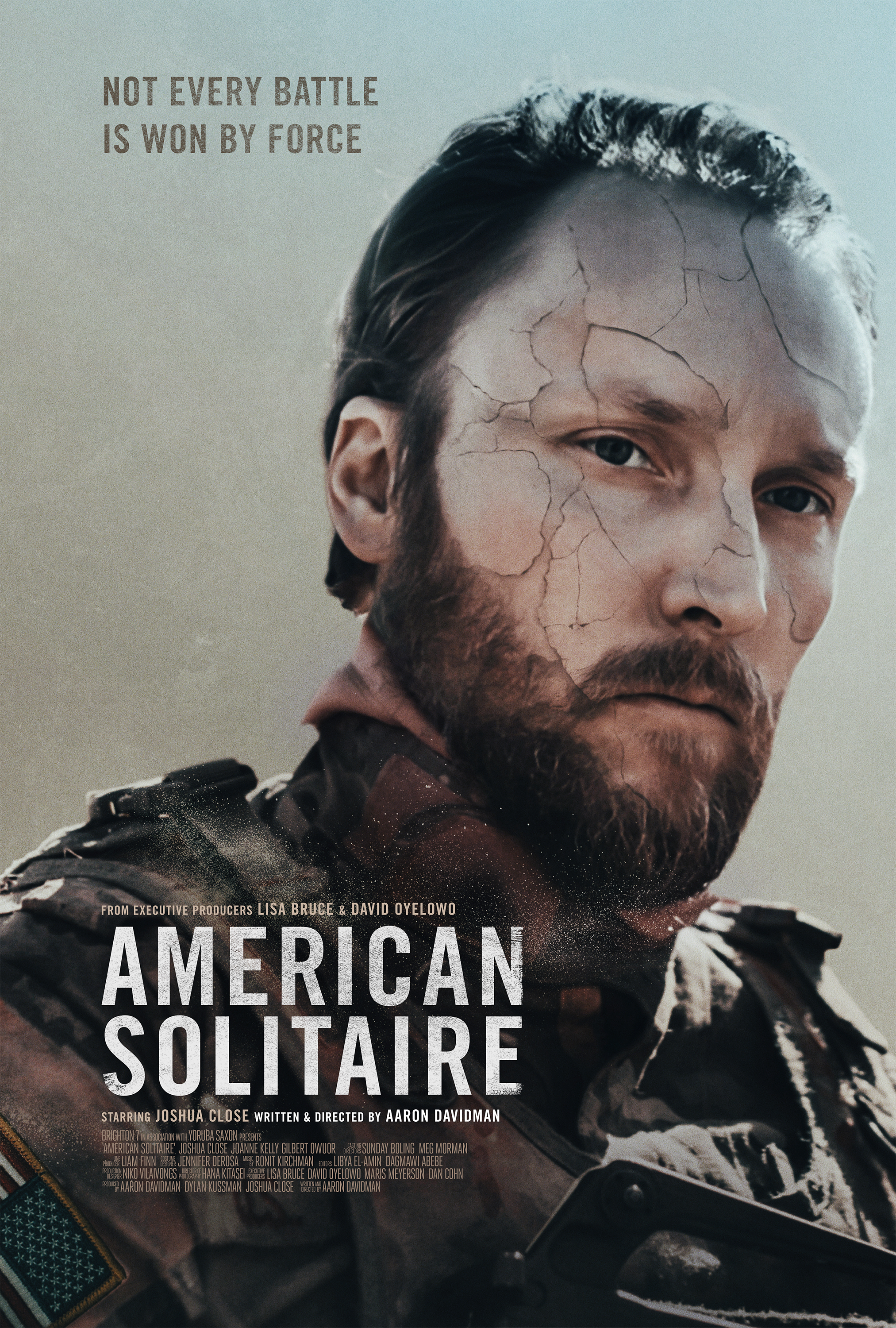
SAFE Co-Founder Dr. Dean Winslow Moderating Discussion on "American Solitaire" Film

SAFE Co-Founder Dr. Dean Winslow will be speaking at a screening of the new film “American Solitaire” on Monday, January 26 at 6pm PST at the Commonwealth Club of California. The film explores the challenge of a veteran grappling with the psychological, moral, and cultural aftermath of service. It’s a story about isolation, accountability and finding connection in a divided country. 

Tickets must be purchased for this in-person event and can be found by clicking the button below.

Listen to This!

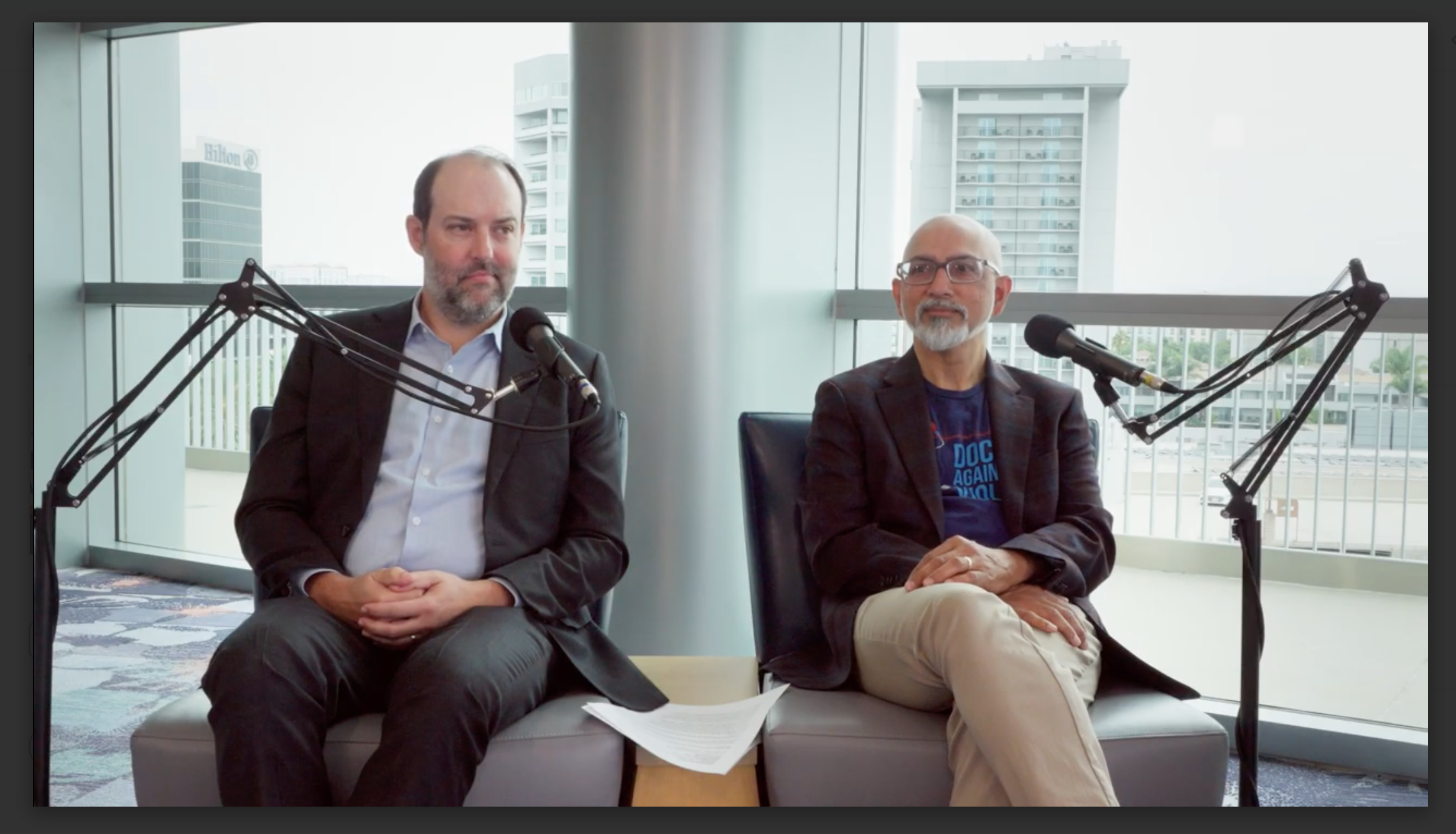
SAFE board member, Dr. James Bigham, MD, MPH features in an episode ofTeam-Based Care: Firearm Injury Prevention Conversations in Clinical Care - A Community and Behavioral Health Lens.

Team-Based Care is a podcast for the interprofessional healthcare team. Produced by the UW-Madison School of Medicine and Public Health - Office of Continuing Professional Development, speakers from different professions explore a topic or theme that is evidence based, relevant to their practice, and has an interprofessional lens.

Check out the podcast below.

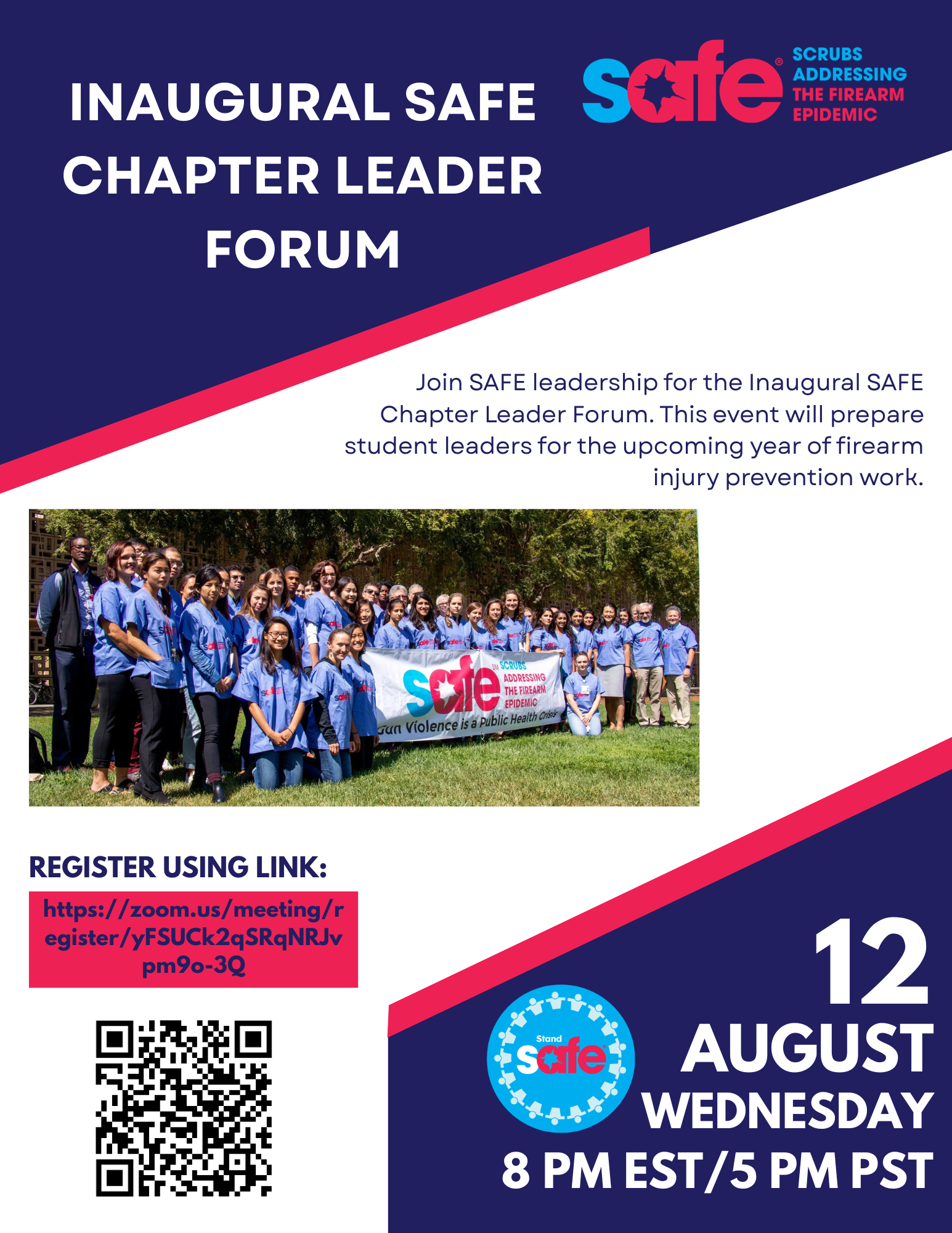
SAFE National Event - Firearm Injury Prevention Focusing on Veterans

Join us on February 24, 2026 at 8pm EST/5 pm PST for a conversation on firearm injury prevention focusing on veterans. We are pleased to have SAFE Co-Founder, Dr. Dean Winslow and Dr. Kyleanne Hunter, CEO of Iraq and Afghanistan Veterans of America (IAVA). Click the button below to register.

SAFE Announces New National Advisory Board Member - Dr. Kyleanne Hunter, PhD

SAFE is excited to announce that Dr. Kyleanne Hunter, PhD has joined our National Advisory Board.

Dr. Hunter is driven by a clear personal ethos to build a safer, fairer world for women, for veterans, and for all those whose service and sacrifice too often go unseen. She currently serves as Chief Executive Officer of Iraq and Afghanistan Veterans of America (IAVA), the nation’s leading voice for post 9/11 veterans. A Marine Corps combat veteran and former AH 1W Super Cobra attack pilot with multiple deployments to Iraq and Afghanistan, she brings both frontline experience and policy expertise to her leadership.

Before joining IAVA, Dr. Hunter led the Women, Peace, and Security Initiative at the RAND Corporation and served as a senior political scientist. She previously directed the Strategy and Warfare Center at the U.S. Air Force Academy, served on the Independent Review Commission on Military Sexual Assault, and chaired the Employment and Integration Subcommittee of the Defense Advisory Committee on Women in the Services. Her leadership background also includes serving as Vice President of Programs at Brady United Against Gun Violence and as a researcher in residence at the Kroc School of Peace and Justice.

Dr. Hunter has testified before Congress, is a frequent media voice, and is co author of Invisible Veterans What Happens When Military Women Become Civilians Again. She holds degrees from Georgetown University and the Josef Korbel School of International Studies at the University of Denver. Her career consistently centers the lived experience of women and veterans in order to drive systemic change.

We look forward to this new partnership.

SAFE Advisory Board Member Co-Authors JAMA Article

The collective responsibility of society is to safeguard the health and safety of its members, including from firearm harms.

Dr. Stephen Hargarten, SAFE Advisory Board Member, joins other leading voices in the field of firearm violence prevention in “Toward a Better Future by 2040: The JAMA Summit Report on Reducing Firearm Violence and Harms”.

To read the full article click the button below.

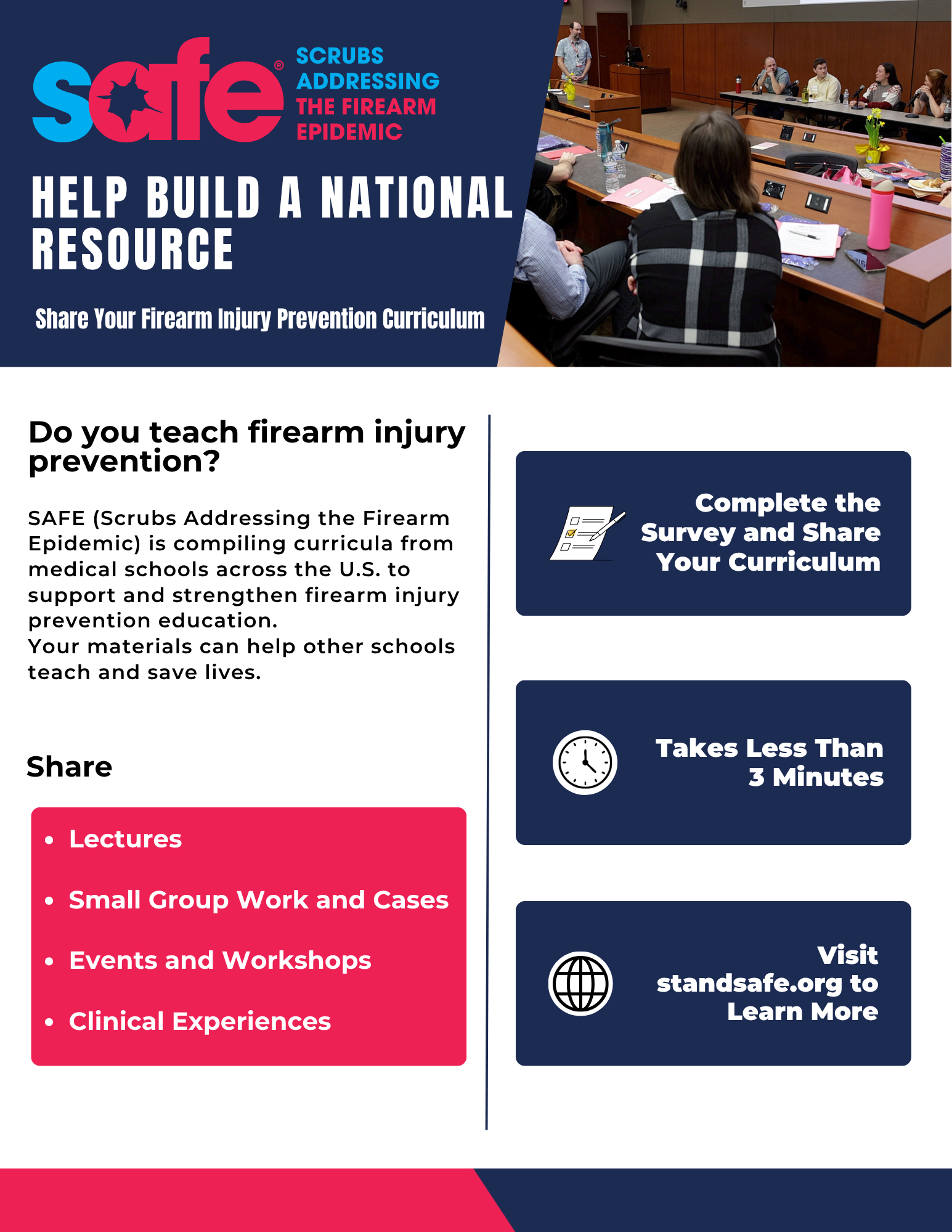
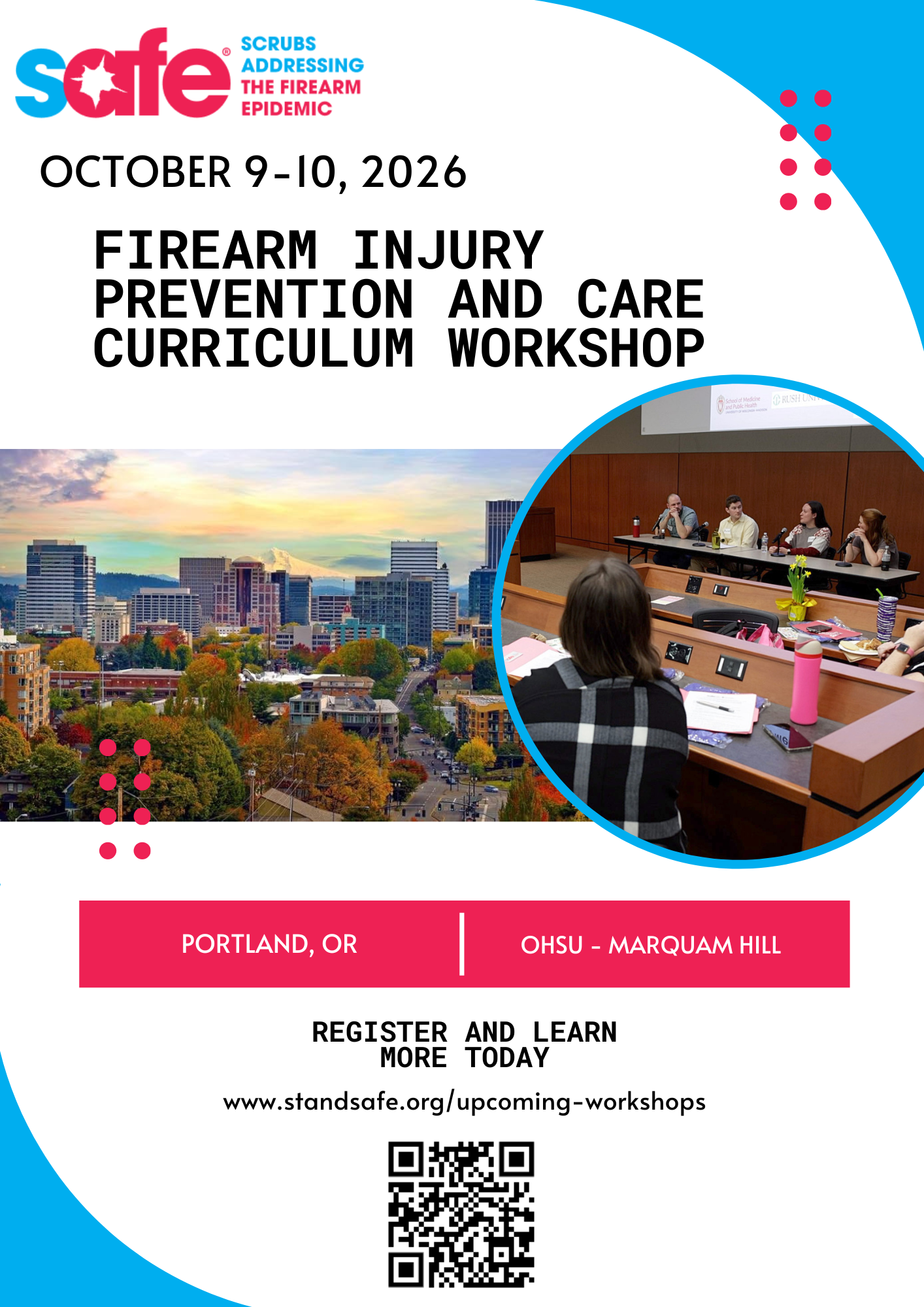
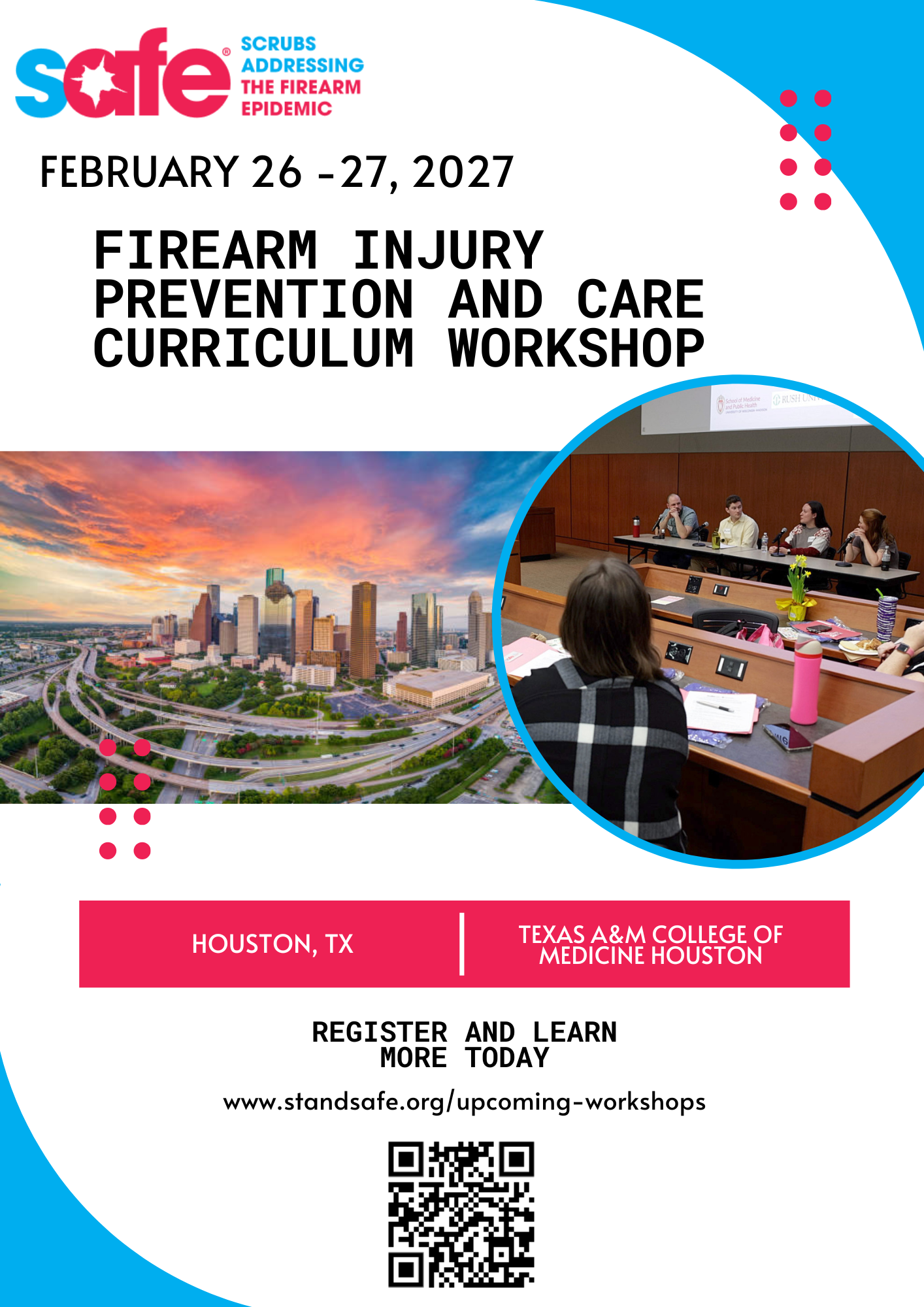
March 2026 Firearm Injury Prevention and Care Curriculum Workshop - Northern California

Learn more about our future curriculum building workshops here!

Join us at Firearm Injury Prevention and Care Curriculum Workshop on March 13-14, 2026 at the University of California - San Francisco, Parnassus Campus. Register today by clicking the button below.

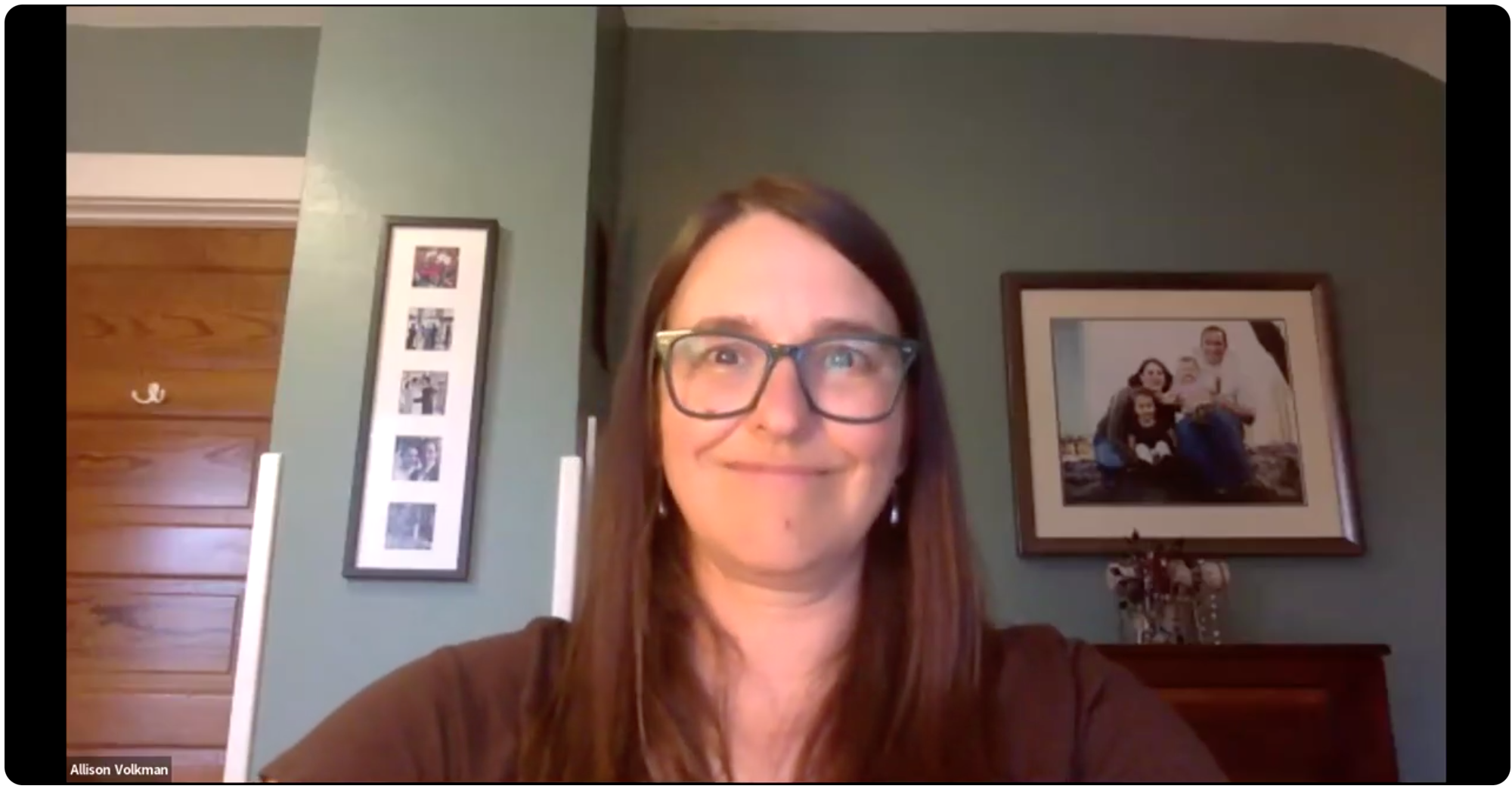
SAFE Executive Director from 2019 podcast interview

For a long time, there was a passion gap between the gun-rights and gun violence prevention movements. But then Sandy Hook and Parkland sparked a change… for moms and youth.

Note: This season of American Diagnosis was originally published under the title In Sickness & In Health. 

This podcast was created by Just Human Productions.

https://www.justhumanproductions.org/podcasts/e32-gun-violence-in-america-badass-moms-youth


Allison Volkman is the Executive Director of SAFE. At the time of the podcast, she was working with Doctors for America on the topic of gun violence prevention. Dr. Celine Gounder is the interviewer and producer.